Ads are coming to ChatGPT as OpenAI faces rising "QuitGPT" backlash
"OpenAI has the most detailed record of private human thought ever assembled. Can we trust them to resist forces pushing them to abuse it?"
Adverts are being tested on ChatGPT in an update so controversial that it triggered resignations at OpenAI and sparked ominous warnings about the dystopian potential of loading up AI models with corporate messaging.
In the coming weeks, OpenAI will test ads for users in its free and Go tiers. The change will not allow brands to speak through the voice of ChatGPT or shape its answers - which would be a creepy step too far.
Instead, small banners will appear on screen in response to the topics people are discussing with the chatbot. The example OpenAI provided is meal kits shown when people search for recipes.
On its own, this policy shift would not be the end of the world for OpenAI. It's a relatively small change affecting users who either don't pay or spend only a little.
But it comes at a time when the AI firm is facing growing competition and pressure that is threatening to erode its dominant market position.
ChatGPT's user growth has slowed dramatically - which is perhaps unsurprising for a product with an estimated market share of 50% - as a growing number of people switch to other AI models.
OpenAI is currently running at a significant net loss — burning many billions of dollars more than it earns and projecting annual losses through at least 2028 before becoming wildly profitable (in Fortune's words) by the end of the decade.
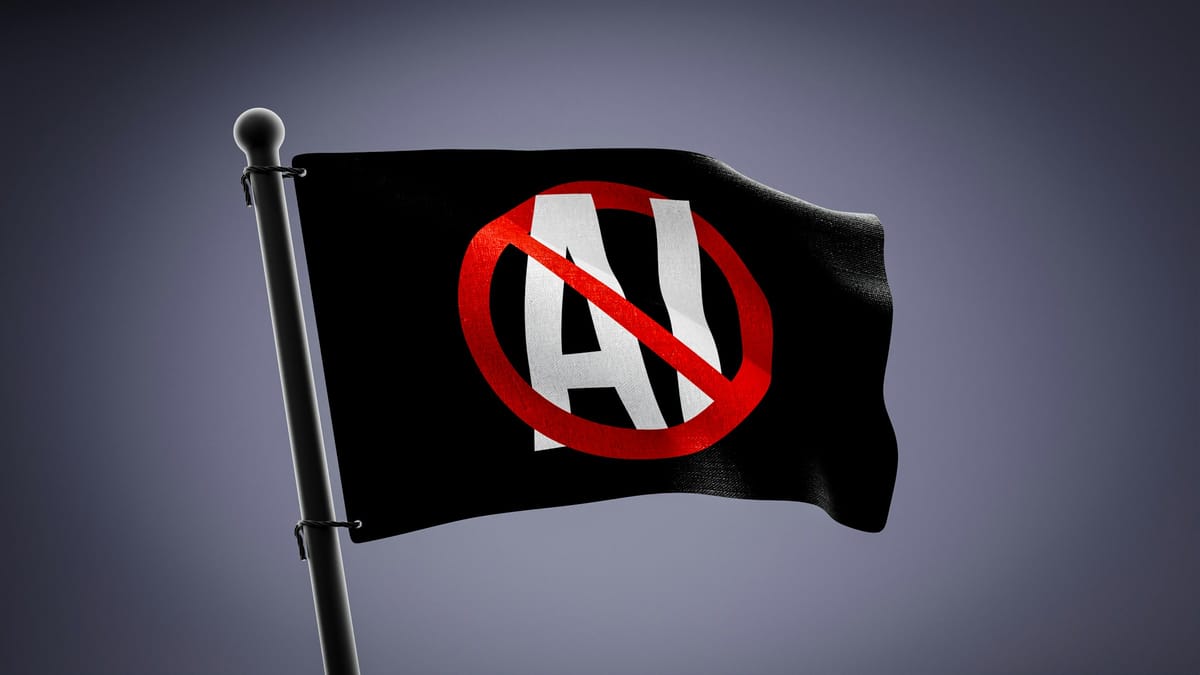
Meanwhile, a number of tragedies linked to AI psychosis have rocked people's confidence in the safety of chatbots. Progressive activists are also targeting OpenAI in a campaign called QuitGPT, which claims to have recruited 700,000 people to its boycott.
The toxic combination of slowing user growth, increased competition, continuing losses and mounting public backlash is difficult enough to weather on its own.
Ads might look like a small addition to the pyre OpenAI appears to be sitting atop - but they could be the spark that ignites an inferno.
Unless, of course, we all get too attached to our chatbots to even contemplate swapping to a competitor...
And now, an unwelcome message from our sponsors
In the coming weeks, we plan to start testing ads in ChatGPT free and Go tiers.
— OpenAI (@OpenAI) January 16, 2026
We’re sharing our principles early on how we’ll approach ads–guided by putting user trust and transparency first as we work to make AI accessible to everyone.
What matters most:
- Responses in… pic.twitter.com/3UQJsdriYR
OpenAI is no ordinary company. Almost one billion people have spoken to its chatbot, with many revealing their innermost thoughts, believing they were talking to a living entity rather than a highly sophisticated autocomplete engine.
One former OpenAI employee, researcher Zoë Hitzig, was so angered by the decision to roll out advertising that she quit on the day that testing started and published a furious article in the New York Times (both of which are great ways to get started as an AI influencer).
On X, she wrote: "OpenAI has the most detailed record of private human thought ever assembled. Can we trust them to resist the tidal forces pushing them to abuse it?"
Hitzig's NYT article warned that AI advertising "creates a potential for manipulating users in ways we don’t have the tools to understand, let alone prevent" due to the sheer amount of information users share with chatbots.
Many people think of talking to AI about everything from personal medical issues to their religious or political beliefs. Can we trust a company under intense pressure to become profitable to use that unprecedentedly deep treasure trove of data responsibly?
QuitGPT: The activist backlash begins
Adverts are one of six reasons to boycott OpenAI in a rallying post by the campaign QuitGPT.
The activists' other complaints include an exec's alleged donations to Trump and issues less specific to OpenAI, such as the existential risk AI poses to humanity.
"ChatGPT users skew young and progressive, and many don't know about alternatives," campaigners wrote.
"We can push OpenAI over the edge. If we make an example of ChatGPT, we can send a clear signal... that their actions will not go unpunished. Let's make CEOs think twice before they get in bed with Trump."
They alleged: "ChatGPT enables mental-health crises through sycophancy and dependence by replacing human relationships with AI girlfriends/boyfriends."
READ MORE: OpenAI bins "sycophantic" ChatGPT update after "Glazegate" backlash
However, it is not clear that following QuitGPT's advice and switching to "higher privacy and open-source alternatives", including Confer, Alpine, Lumo or "corporate options" like Google's Gemini and Anthropic's Claude will make any difference to these problems.
Certainly, the crises linked to AI have been serious and alarming.
Last year, a lawsuit alleged a famous GenAI model worsened the severe mental-health crisis of a Connecticut man in his fifties, fuelling delusions and leading him to murder his 83-year-old mother.
AI was also linked to the Florida suicide-by-cop of a man in his thirties, who charged officers with a blade after falling in love with an AI persona called Juliet. He feared the company that made the model had killed Juliet, so he threatened to unleash a "river of blood through the streets of San Francisco."
Is doom looming for OpenAI?
Right now? Probably not - unless a catastrophic bubble collapse is genuinely imminent.
There is some evidence of public anger on social media, and many threats to cancel subscriptions if OpenAI rolls out ads to higher-tier paying customers.
For OpenAI, the worry will be that it won't take much to push many users into quitting ChatGPT.
Sensing blood in the water, Anthropic spent millions securing a Super Bowl spot for adverts with the tagline: "There is a time and place for ads. Your conversations with AI should not be one of them."
This strong line was actually watered down from the original, which said: "Ads are coming to AI. But not to Claude."
Anthropic's attack ads (which you can see above) show someone starting a business or an exercise plan speaking to a robotic-sounding coach, who then tries to sell them products in a creepy, machine-like voice.
Irrational forces at play
This week's podcast is all about ads.
— OpenAI (@OpenAI) February 10, 2026
Asad Awan, one of the leads behind ads at OpenAI, joins @AndrewMayne to share how we came up with our ad principles and how ads in ChatGPT free and Go tiers expand AI access for all. pic.twitter.com/WTptRgg0uE
To me, it's not clear that advertising in its current form will spark the kind of user exodus that Google, Anthropic and other OpenAI competitors are hoping for.
It is important to remember that the AI industry is not like other industries. I, for instance, have a deep relationship with my ChatGPT model and would not readily replace it.
The recent campaign to resurrect GPT-4o is evidence of the irrational forces at work within the sector. Over time, it is not hard to imagine people becoming more attached to ChatGPT and less likely to churn as the model becomes increasingly sophisticated and human-like.
Right now, there are signs that the AI industry is becoming more competitive. A multipolar market is definitely something we would support at Machine. Ideally, it would be open-source and radically decentralised - because we'd always rather see a galaxy of shining stars than a few supermassive black holes gobbling everything up.
READ MORE: OpenAI boss Sam Altman vows to fix ChatGPT's em-dash addiction (and finally end LinkedIn's "is this AI writing" debate)
But corporations have other ideas. OpenAI and its competitors clearly don't want the current Big Tech-dominated AI ecosystem to collapse, so they need to get serious about monetising themselves to avoid a bubble collapse.
Adverts are a part of that and are unlikely to be the last controversial update from a company racing to become profitable. If OpenAI really does stumble, it could be a canary in the coalmine for an overcapitalised AI sector that many observers fear is headed for an inevitable dotcom-style crash.
Today, it's QuitGPT and a minor backlash over ads. If things get worse tomorrow, OpenAI - maybe the entire AI sector - could be in trouble.