The Home Office has a huge cybercrime blind spot in its police forecasting data
Computer crooks are more likely to be male - but that's about all we know about who will go to the digital dark side.

The UK Home Office’s latest in-depth review of the factors that drive criminal offending has indicated a startling lack of evidence for forecasting cybercrime - even though fraud and computer misuse account for much of the growth in illegal activity.
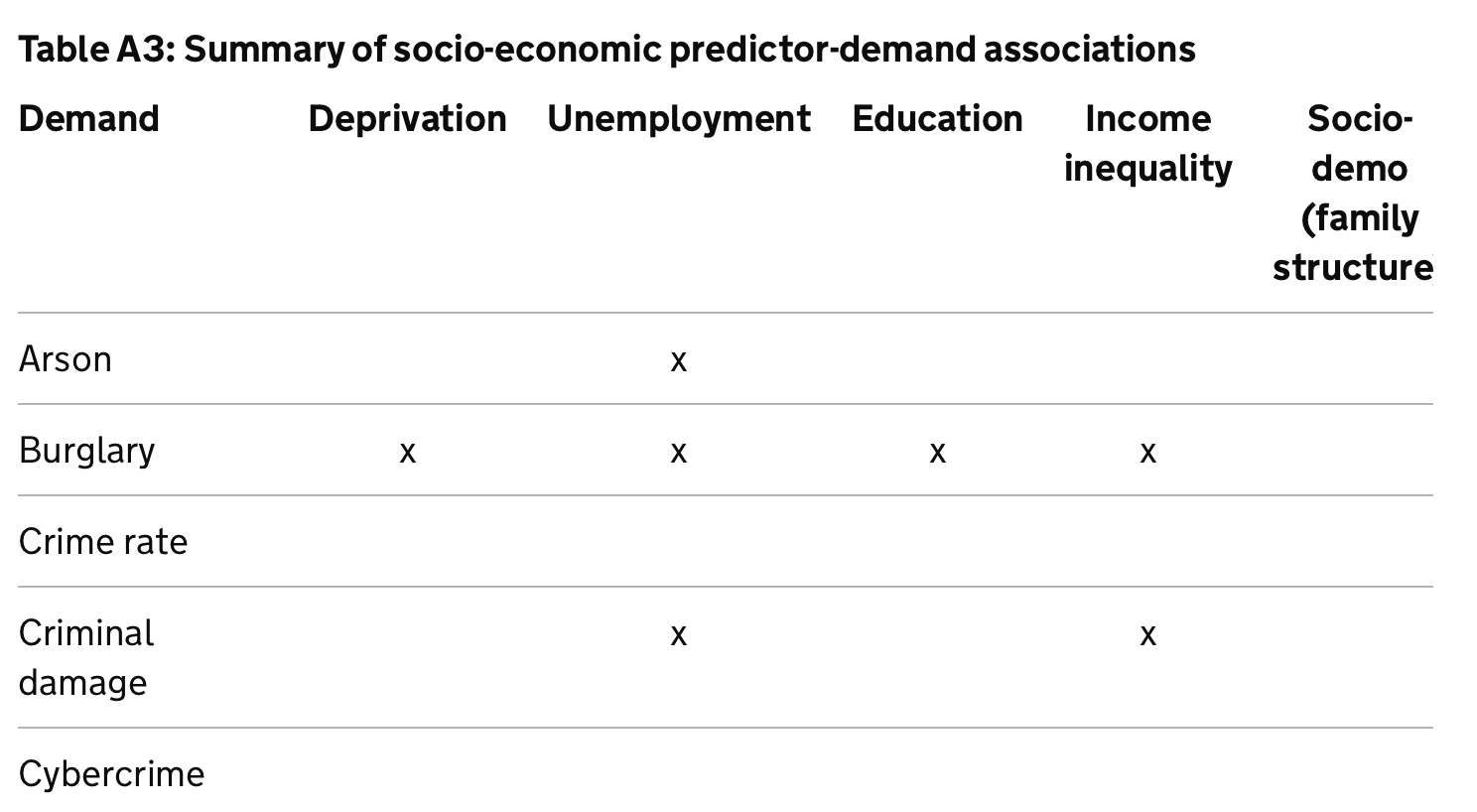
In a "rapid evidence review" published last week, officials explored 49 "predictors of crime" including socio-economic factors such as rates of deprivation alongside demographics, traffic levels, population density and other key metrics.
The study found associations between deprivation and an increase in crimes like burglary, robbery and violence. A similar relationship between high unemployment and violent crime was also uncovered.
But the investigation found almost no predictive factors for cybercrime - suggesting that police have little ability to work out when or why technically adept civilians will decide to go the dark side.
That's a problem for British law enforcers because computer misuse offences surged by 29% between 2024 and 2025 to a total of 62,151 offences, according to numbers from Action Fraud published by the Office for National Statistics. This figure is likely to underestimate the total level of computer misuse crime because many incidents are not reported.
The making of a cybercriminal
The Home Office uncovered just one predictive factor for cybercrime: being male. Men were also more likely to commit assault and engage in robbery, gang violence and carry weapons.
Researchers found that digital offences surged during the Covid era, with fraud and computer misuse rising by 43% between the years ending June 2019 and June 2021.
Personal hacking, social media and email hacking, online fraud and cybercrime overall were all higher in May 2020 than in May 2019. However, computer viruses and hacking involving extortion declined, while server hacking showed no significant change. Romance fraud also rose in 2020 among both men and women aged 20 to 59.
READ MORE: Mayor Sadiq Khan looks to unleash crime-fighting robot police dog in London
"Lockdowns due to COVID-19 were associated with decreases in crimes such as burglary and robbery but increases in cybercrime and domestic abuse," officials wrote.
"It is likely that increases in crimes such as cybercrime and fraud reflect the increase in virtual mobility, with criminals taking advantage of the vulnerabilities of home working and schooling," they added.
The review found no qualifying evidence linking cybercrime to deprivation, unemployment, education, income inequality, population change, age, ethnicity, housing, geography, policing levels, major events, alcohol, mental health, drug use or previous victimisation.
Among 14-year-olds, involvement in cybercrime was associated with an increased likelihood of carrying or using a weapon.
Cybercrime also bucks the broader link between lower educational attainment and offending, with researchers noting that "sophisticated" offences such as computer-based criminality “can often be conducted by highly educated individuals”.
What's missing from the Home Office's crime predictor stats?
The Home Office numbers show that we are some way away from a Minority Report-style world in which crimes are easily predicted.
Brian Cliff, Senior Director, Government and Defence at NTT DATA UK&I, told Machine that the research shows more needs to be done to unlock the insights hidden in crime data.
He said: "The Home Office’s review demonstrates that police demand is shaped by far more than crime alone. Social, demographic and environmental factors all influence where and how demand emerges, making it increasingly important to understand how these drivers interact over time.
"This research also highlights what’s possible next. With so many different predictors of police demand now identified, there is an opportunity to bring them together within an AI-powered forecasting model. Continuously learning from new data, such a model could help forces explore different scenarios and understand the likely impact of decisions before they’re implemented.
READ MORE: How cybercriminals are industrialising the trade in stolen healthcare data
"For example, leaders could assess how demographic change, major events or preventative interventions might influence future demand, helping them make more informed decisions about where to deploy officers, invest in prevention programmes and allocate technology and other resources. AI wouldn’t replace operational judgement, but it could provide a much richer evidence base for long-term planning and resource allocation.
"As with any predictive model used in policing, transparency and governance will be essential. These systems must be carefully designed and continuously monitored to minimise bias and support fair, proportionate decision-making that maintains public trust and policing by consent."