"There’s no micromanagement on the battlefield": What leaders can learn from the British Army
"People on the frontline have the clearest view of the situation, and must be supported to respond as they see best."

The UK workforce seems to be losing faith in its managers. According to HP’s 2024 Work Relationship Index, only 14% of UK employees trust senior leaders to make the right decisions; a huge drop from 26% in 2023.
In previous roles, I must admit I, too, have been disappointed by the quality of leadership within the private sector: too many senior executives spend their time managing processes instead of leading people, or pursue their goals by instructing staff rather than inspiring them.
This top-down approach rarely wins people’s trust – and declining staff morale and engagement take a huge toll on companies. High staff turnover, for example, weakens delivery, distracts line managers, and drives up HR costs.
What’s more, an overly directive, hierarchical approach to management rarely produces good decisions. If business leaders want to get better results, they should look outside the world of business altogether – and take some lessons from Britain’s Armed Forces.
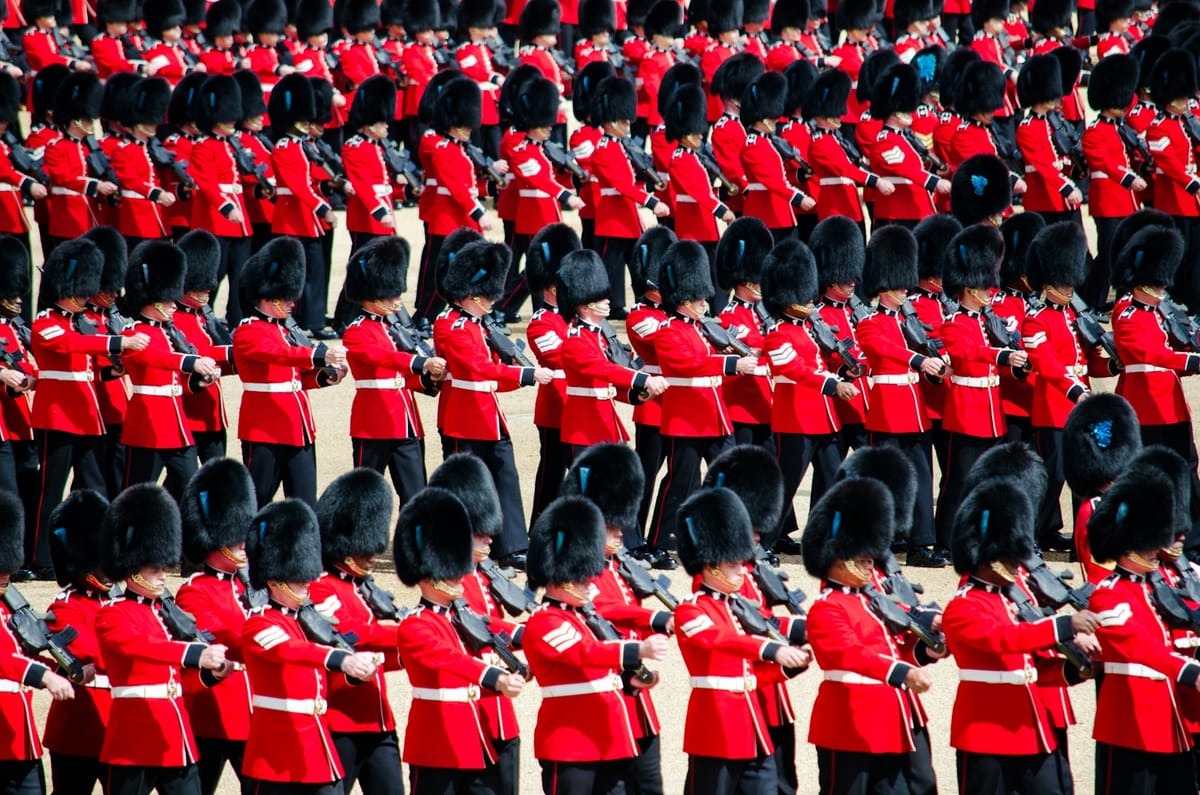
In the British Army, officers are taught how to be "servant leaders" – supporting and empowering their teams to make smart decisions in pursuit of a common and clearly-communicated goal.
On the battlefield, there’s no room for micromanagement: the people on the frontline have the clearest view of the situation, and must be supported to respond as they see best to realise overarching aims.
“All things are ready, if our minds be so.”
This approach is made explicit in the British Army’s Leadership Doctrine: “To lead British soldiers is a privilege, and there is no place for self-serving leaders.”
Officers lead by example and by instilling in others the confidence to act, rather than exerting a vice-like grip over each and every action a team member takes. As ex-service members will tell you, that mindset lingers long after you leave the forces.
Officers are also taught to be honest and open with their subordinates – whose very lives can depend on the information they’re given. It’s vital to be transparent about the risks involved, the objectives, and how you, as a team, will achieve them.
READ MORE: Humans have the edge over AI in "one crucial domain", Princeton neuroscientists say
You must show that you share in the risks they face; there can be no perception that blame or danger will be pushed down the organisation.
As long as people know you’re being fully transparent, that you accept the same level of risk, and that you assume full accountability for decisions, you will earn the respect of your team.
People may not always like your decisions, but they will know where you stand, a leadership quality that’s invaluable in all aspects of civilian life, including in the boardroom.
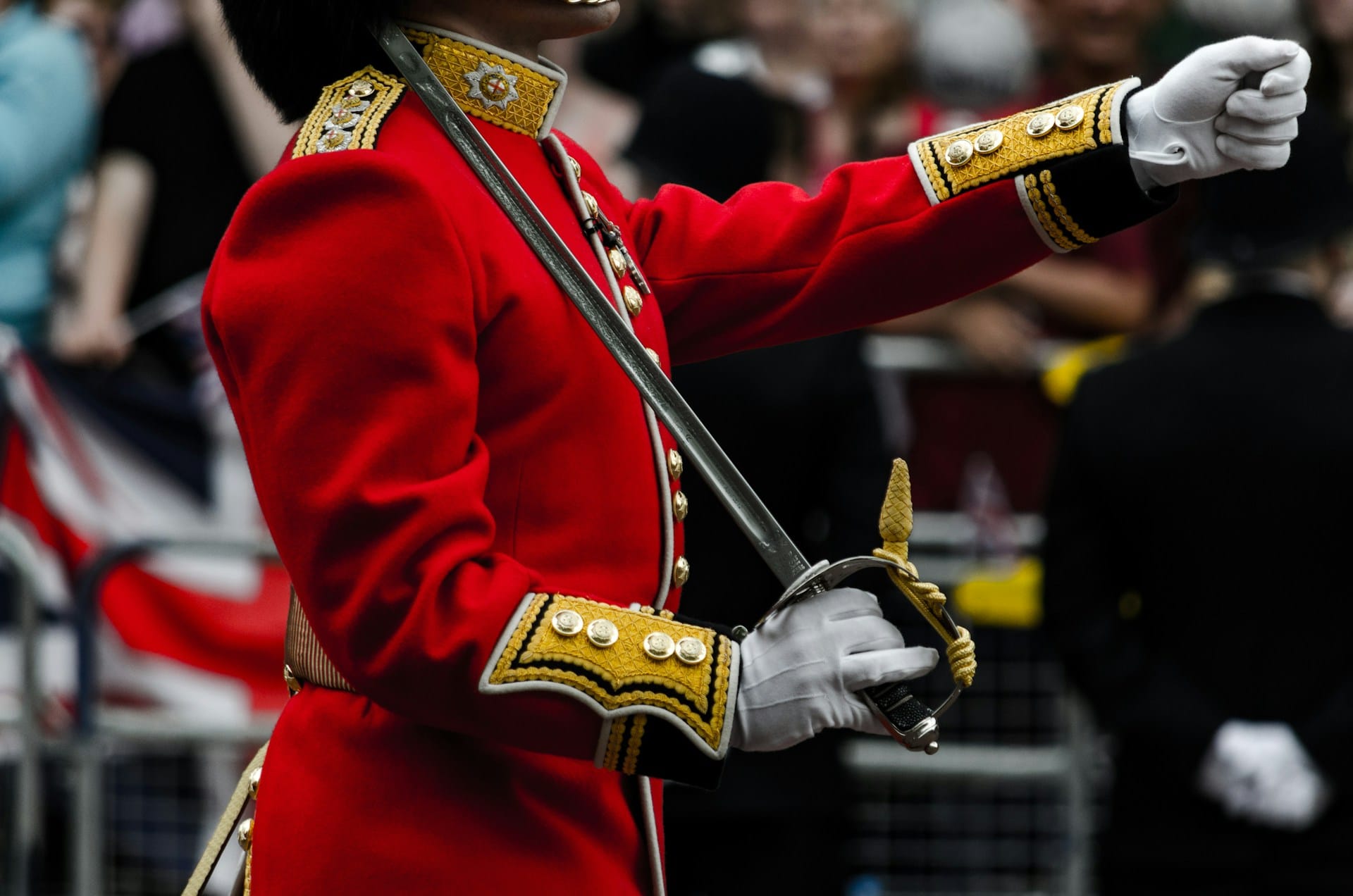
Keeping your head when all about you are losing theirs
Army officers are also highly experienced in responding to changing circumstances. Most large organisations make careful plans, but find it hard to adapt to an evolving environment – and environments always evolve. Nineteenth century Prussian strategist Helmuth von Moltke captured it best: “No plan of operations reaches with any certainty beyond the first encounter with the enemy’s main force.” The corporate world has its own version of that truth.
Take a look at Kodak and Blockbuster, for example: both built strong customer bases and dominated their markets, yet struggled to adjust when technology changed the ground beneath them – and ultimately went bust. Leaders who cling too tightly to the original plan will be left behind by circumstances; conversely, those who react with a panicked U-turn are likely to fall into a new set of traps.
READ MORE: "We still need humans!": Data centre truckers gear up for a blue-collar AI boom
Communication is key here. The military excels at getting communications from the top to the bottom of the organisation – and vice versa. This is a lesson the private sector would do well to learn. A leader might very well be willing and able to adapt to changing circumstances, but that’s worthless if they don’t know what’s changed. When people on the ground are willing and able to relay information back up the chain – as well as following directives from above – leaders can make informed decisions quickly but carefully based on rapidly shifting circumstances.
In the Army, all of these values – honesty, risk sharing, clarity, and adaptability – are realised in the decision-making process known as the ‘OODA Loop’. Officers are taught to Observe the enemy, Orientate themselves, Decide on how to proceed, then Act. If you don’t go through all four phases, and communicate your plan the whole way up and down the chain of command, you will lose.
From the battlefield to the boardroom
Business is much the same, but instead of enemy combatants, you’re facing down operational challenges or market competition. You still need to ensure that each new decision is founded on fresh intelligence and appraisals; you need to consider the real-world context in which you’re operating; and you need to create a clear way forward that results in a new set of actions, plainly communicated across your organisation.
The most effective leaders provide purpose and space in equal measure, staying close enough to guide but stepping in to take control only when absolutely essential. These lessons have stayed with me throughout my career, as they have with most former officers. That’s why more organisations – including my own – are working to recruit more veterans and reservists, joining the Armed Forces Covenant and signing up to the Defence Employer Recognition Scheme.
It takes thought and commitment to build a welcoming environment for those with service experience, but the results speak for themselves. Veterans bring a composure under pressure and a clear sense of purpose that strengthens the overall culture around them. When trust flows both ways and teams have a clear purpose, leadership really earns its name.
Mike Jones is vice president and chief partner officer at NTT DATA UK&I, and a former officer in the British Army.