Ex-Lord Mayor “alarmed” over government's response to Atlantic undersea cable risks
"Was this the first meeting that senior ministers have had with senior industry figures?"

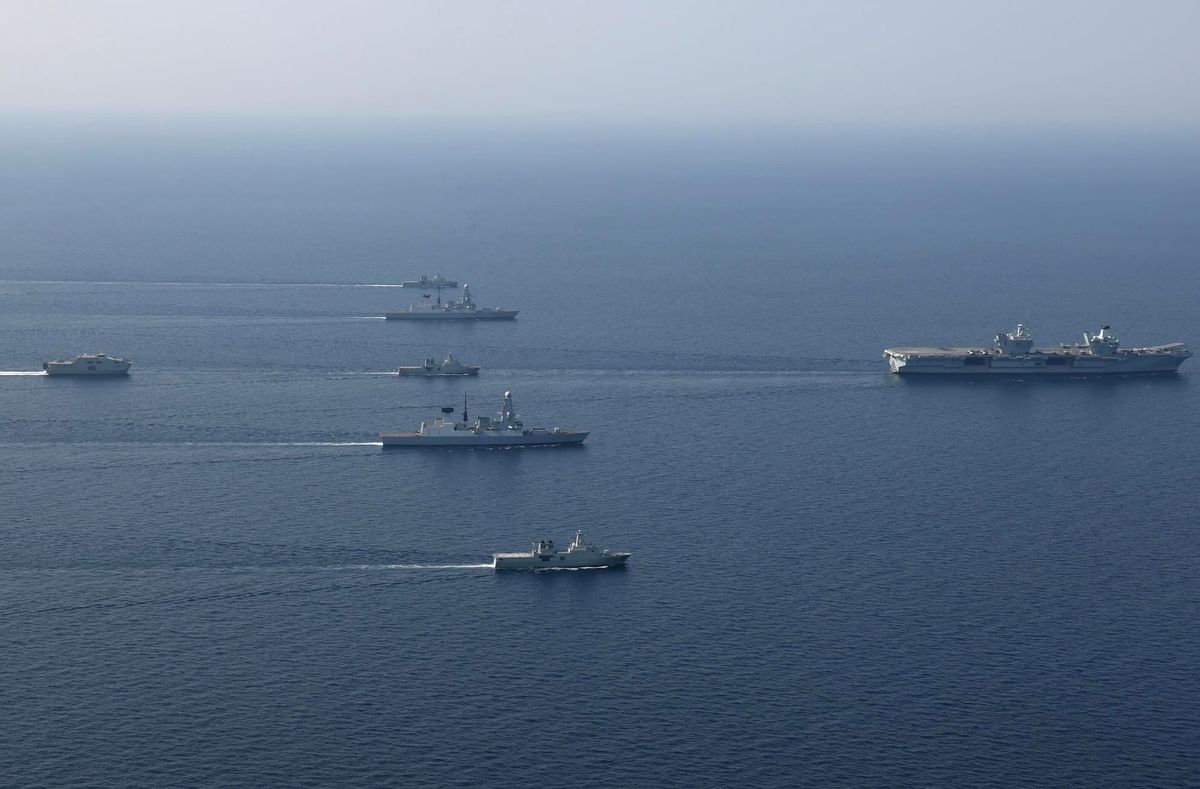
A British peer and former Lord Mayor of London has accused the government of delaying efforts to deter Russia from cutting undersea cables that carry up to 99% of the UK’s international internet and communications traffic.
Last week, Defence Secretary John Healey convened a meeting of leaders from telecom titans including BT and Vodafone, urging them to support efforts to protect critical infrastructure in the Atlantic.
Healey’s call came after the Royal Navy identified and tracked three Russian vessels built to survey and sabotage subsea cables in British waters.
But Lord Mountevans, a hereditary peer and shipbroker, told the House of Lords he was “amazed” that a meeting with industry leaders had not happened sooner.
He also said a group set up to examine threats to Britain’s maritime infrastructure - including senior Royal Marines and Royal Navy officers - had been stood down six months ago because “the risks are well known”.
During a debate on Tuesday, April 14, the peer asked Lord Coaker, a Labour minister at the Ministry of Defence: "Was this the first meeting that senior ministers have had with senior industry figures?"
"I was alarmed to see that the Secretary of State invited industry leaders to a meeting literally only in the last 48 hours. I am amazed that that had not happened already," Lord Mountevans added.
The minister then dodged this question, saying that there are "always meetings across government".
He described discussions between senior officials and industry leaders as evidence of "increased co-operation across government to meet what is a very real challenge and threat to our country.
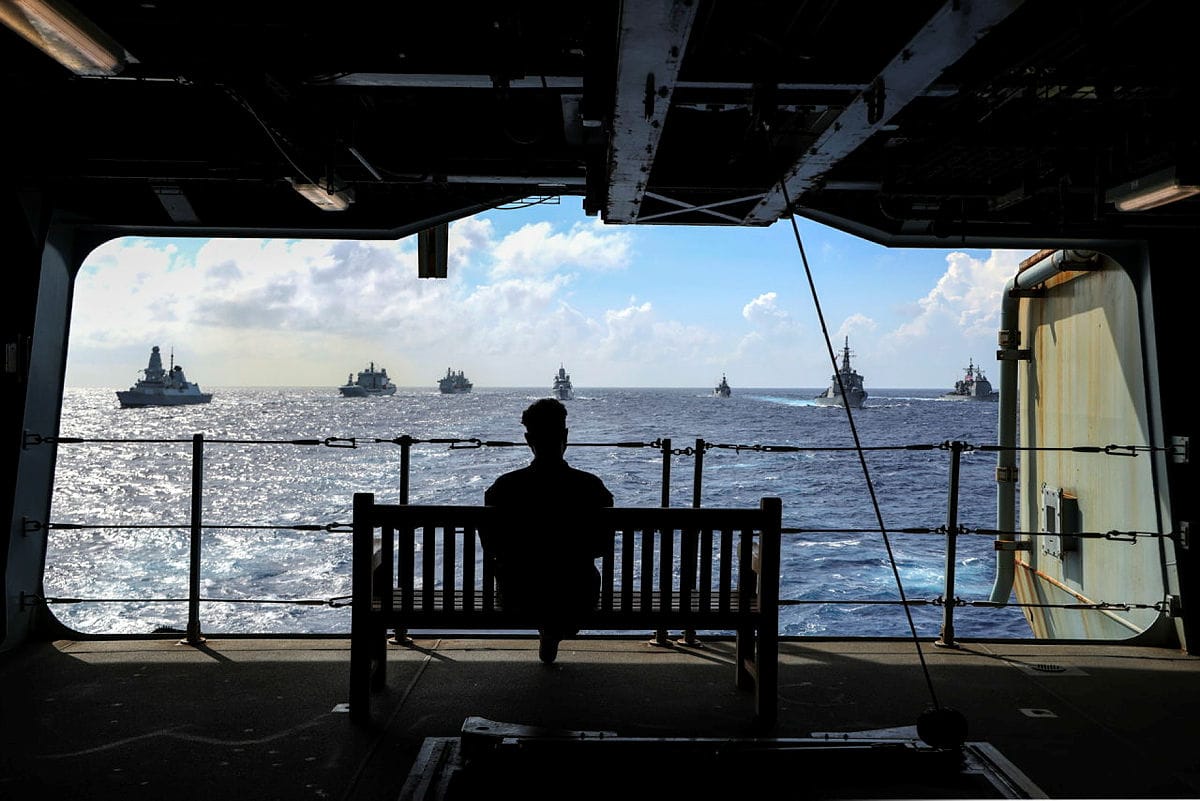
On April 9, the Defence Secretary said that British ships responded to Russian activity in waters north of the mainland in the Atlantic Ocean.
A Russian Akula-class submarine and two Specialised Submarines from GUGI, Russia’s Main Directorate for Deep-Sea Research, were "closely tracked" by a Royal Navy warship and RAF P8 aircraft for roughly one month before leaving UK waters.
More than 500 British sailors, pilots and other personnel were involved in the mission.
"Our Armed Forces left them with no doubt that they were being monitored that their movements were not covert as President Putin planned and that their attempted secret operations had been exposed," Healey said in a statement.
He continued: "To President Putin, I say this: we see you, we see your activity over our cables and pipelines. And you should know that any attempt to damage them will not be tolerated, and will have serious consequences."
As well as almost all of the UK's internet and telecoms traffic, Atlantic undersea cables also carry half of the gas that heats British homes and account for trillions of pounds of global trade every day, according to official government statistics.
Healey added: "The seabed matters, especially for Britain. We are an island nation. Connection is everything, for our economy and our security and beneath our waters lies a vast network of cables and pipelines on which our way of life depends.
"And for all the reasons the seabed matters so much to us, are the reasons that make it the prime target for our adversaries.
"The UK’s undersea network is highly resilient. But the threats are increasing. And so, we are stepping up our action to defend it."
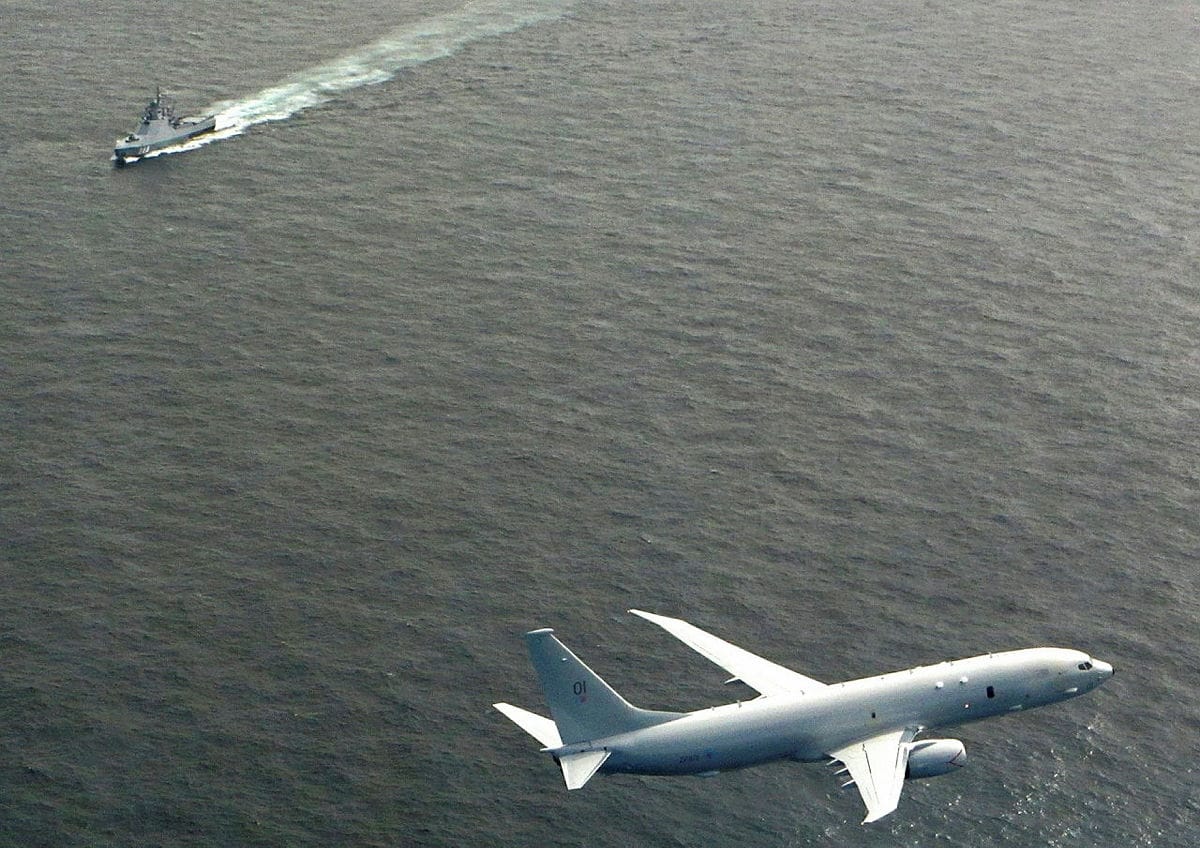
The government has committed £100 million to fund P-8 submarine-hunting aircraft and launched the Atlantic Bastion programme, an effort to combine autonomous systems with warships and aircraft to create a "British-built hybrid naval force".
Ministers have also promised the largest sustained increase in defence spending since the end of the Cold War, arguing it will reverse years of underinvestment.
The push comes as the UK’s Strategic Defence Review warns of "growing Russian aggression in all domains" - a threat that spans sea, air, cyber and beyond.
At a roundtable last week, Healey also told telecoms leaders: "“We need to develop a strong sense of mission together to tackle rising threats to critical undersea infrastructure."
We have written to the Ministry of Defence to ask if the meeting was the first time the Labour government had met with industry leaders and why the group focused on threats to maritime infrastructure was stood down - but it has not responded at the time of writing.