Fragmented data is becoming a systemic risk to fragile global supply chains
Hidden dependencies and bad data in critical systems are leaving civilization exposed to cascading disruption, warns Chris Upkes of Neo4j

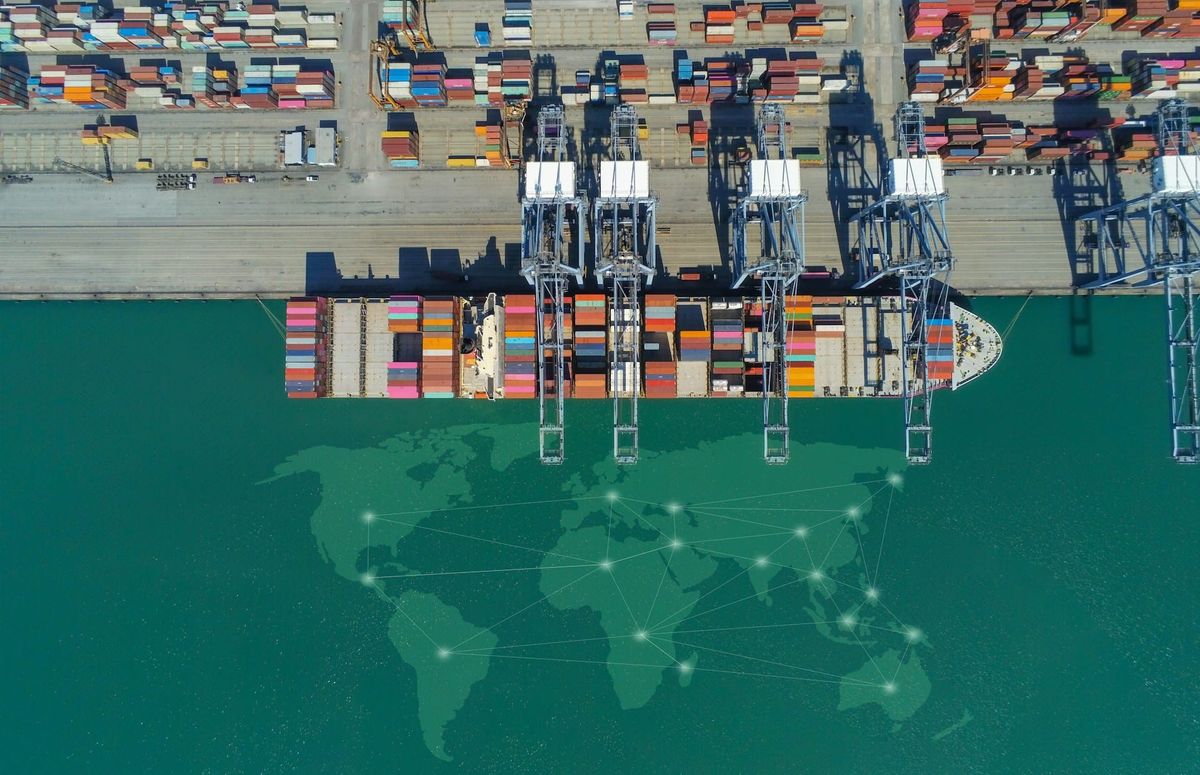
Global supply chains have become harder to predict, harder to manage, and far more exposed to disruption than many organisations realise.
A shipping delay in one region, political instability in another, or a supplier outage further down the chain can quickly create operational and financial consequences elsewhere. The ongoing conflict in the Middle East is only the latest example of how such incidents can cascade through interconnected operations and critical systems with surprising speed.
For many organisations, the biggest difficulty is understanding how far that disruption could spread before it becomes a wider problem. Hidden dependencies often sit several layers beneath the surface, making it hard to see where exposure exists until pressure starts building elsewhere in the business.
These are immensely complex puzzles that are very challenging for individuals and business leaders to put together. And we need a better approach to solving them.
Supply chains are more interconnected than ever
Much of the global economy is reliant on interconnected networks of suppliers, manufacturers, logistics providers, distributors, infrastructure operators, and digital platforms. Therefore, every organisation and its ability to operate, is dependent on another. Due to the vast number of these dependencies, visibility is a key issue - only 12% of organisations report having visibility into more than half of their Tier 2 suppliers.
At the same time, the data underpinning those same suppliers, facilities and shipments often lives fragmented across disconnected systems. This makes it difficult to create a single, accurate view of the relationships that determine how goods, information, and decisions flow through the supply chain. Those relationships are even harder to reconcile when a number of supply chain partners, whether that’s the manufacturers, logistics providers or distributors, each maintain their own systems, data formats and reporting structures.
The end result is a pretty incomplete view of both physical operations and the digital systems supporting them.
Filling in the white space
Businesses have long operated across the gaps between disconnected systems, and teams have learned to work around this white space by piecing together information from multiple sources to understand the impact of disruption.
They have learned to be as agile as their fragmented information allows, often relying on specialists to reconcile data and reconstruct dependencies when disruption occurs. This reactive approach has become the accepted status quo, but it doesn't have to remain that way.
READ MORE: El Niño is a "systemic shock" that could wreck semiconductor supply chains, the WEF warns
When the relationships between dependencies across the supply chain are connected and continuously maintained, organisations no longer have to spend critical time determining what has happened and what else may be affected. Instead, they can move straight to assessing risk, prioritising the most significant exposures and coordinating an effective response.
Understanding those relationships ultimately rests on businesses’ ability to connect data across the wider ecosystem, building a much richer, clearer picture of every corner of their network, and identifying where they might be exposed.
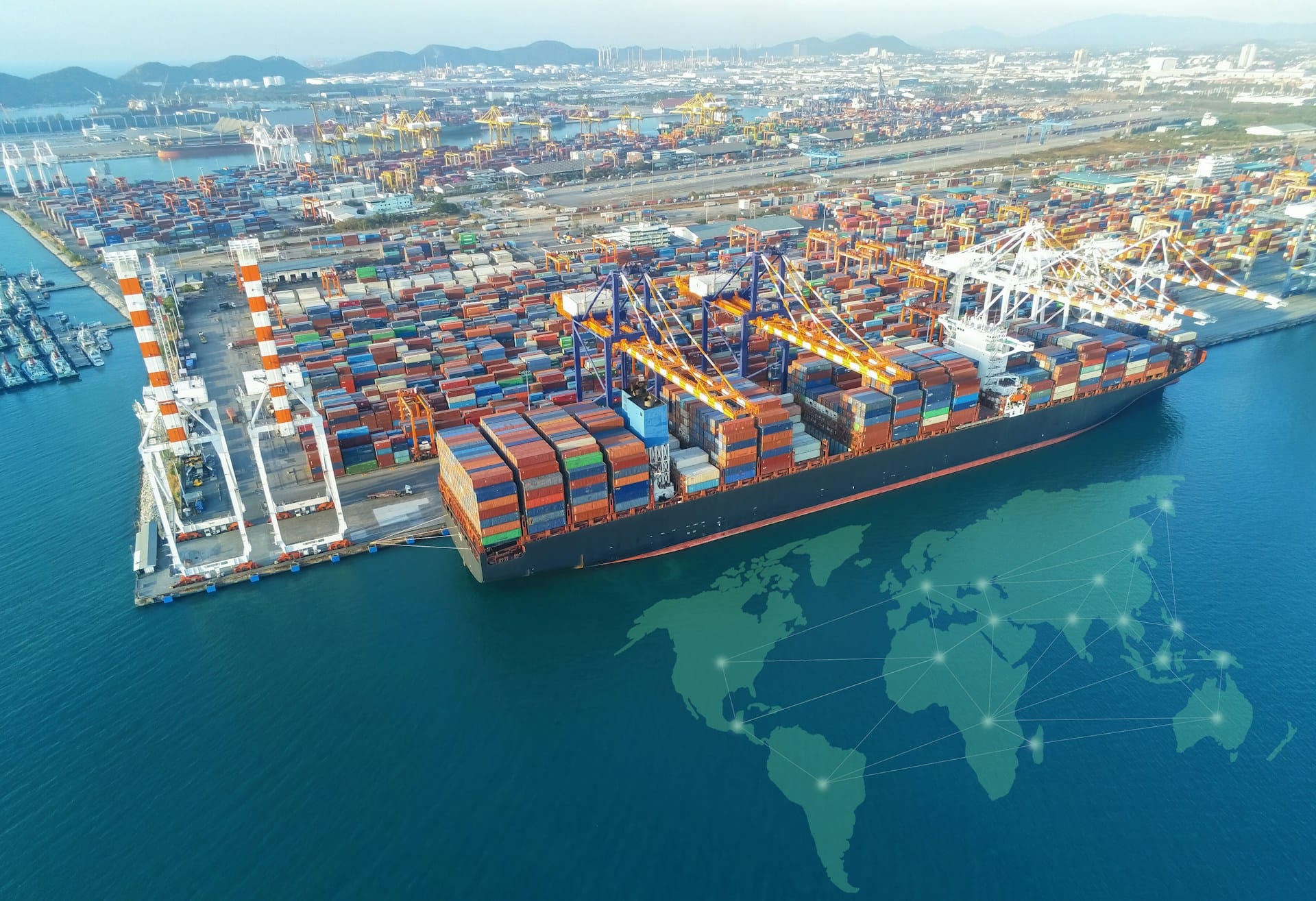
The opportunity behind connected data
Organisations that connect and interpret supply chain data more effectively gain a much clearer understanding of how suppliers, products, facilities and logistics networks depend on one another. And most importantly, they empower them to make decisions with confidence and adapt more seamlessly when conditions shift.
Similarly, responsiveness is becoming a competitive advantage in its own right. Businesses that can quickly assess operational exposure, evaluate alternative routes, or identify vulnerabilities are often able to limit operational uncertainty before it escalates into a broader business issue.
Without that visibility, the consequences extend beyond delays. Hidden dependencies and inconsistent data can expose organisations to financial, regulatory, and reputational risks, not just limit their ability to adapt when conditions change.
Testing disruption before it happens
Many organisations are turning to digital twins to create that canvas. These models use real-time data to create living digital representations of supply networks, enabling teams to test different scenarios, assess the impact of supplier outages or shipping delays, and explore how geopolitical or critical infrastructure incidents could affect operations before events unfold in the real world.
Graph databases play an important role here. They are already being used in digital twin architectures because they preserve the relationships and context that exist across supply chain systems.
READ MORE: Rules of resilience: Securing supply chains in a fast-moving world
That connected view is crucial because it provides greater visibility into how dependencies interact, and it also helps organisations assess how a specific disruption or decision could ripple across the wider network.
The impact of graph intelligence is already spreading across the globe. Supply chain management company, Transparency-One, for example, developed a platform that enables manufacturers and brands to have a view of their supply chains beyond direct suppliers, preserving the relationships between products, suppliers, facilities and subcontractors.
Rather than simply improving traceability, this gives organisations the connected context needed to understand where and how they are exposed when disruption occurs.
Why speed matters under pressure
Manufacturers have always operated in an uncertain environment. But what has changed is the pace and complexity of modern supply chains where disruption can quickly ripple through highly interconnected networks. Organisations will not increase their agility to such events by anticipating every possible scenario. Instead, resilience comes from understanding which products, facilities, customers and commitments are exposed, how disruption could unfold, and where action should be prioritised first.
As the adage says: ‘you learn the most about yourself in a crisis’. Many organisations find that a lasting lesson, after disruption, is how to ensure it doesn’t happen again. Every business today has its own dynamics, dependencies, and blind spots. Understanding how they connect and what risks lurk beneath the surface is crucial to not only survive, but thrive when those unexpected surprises do strike.
Chris Upkes is Principal Consultant at Neo4j